
A closer look at the validation pathway
Why the research moves carefully from cells and organoids towards more complex models.

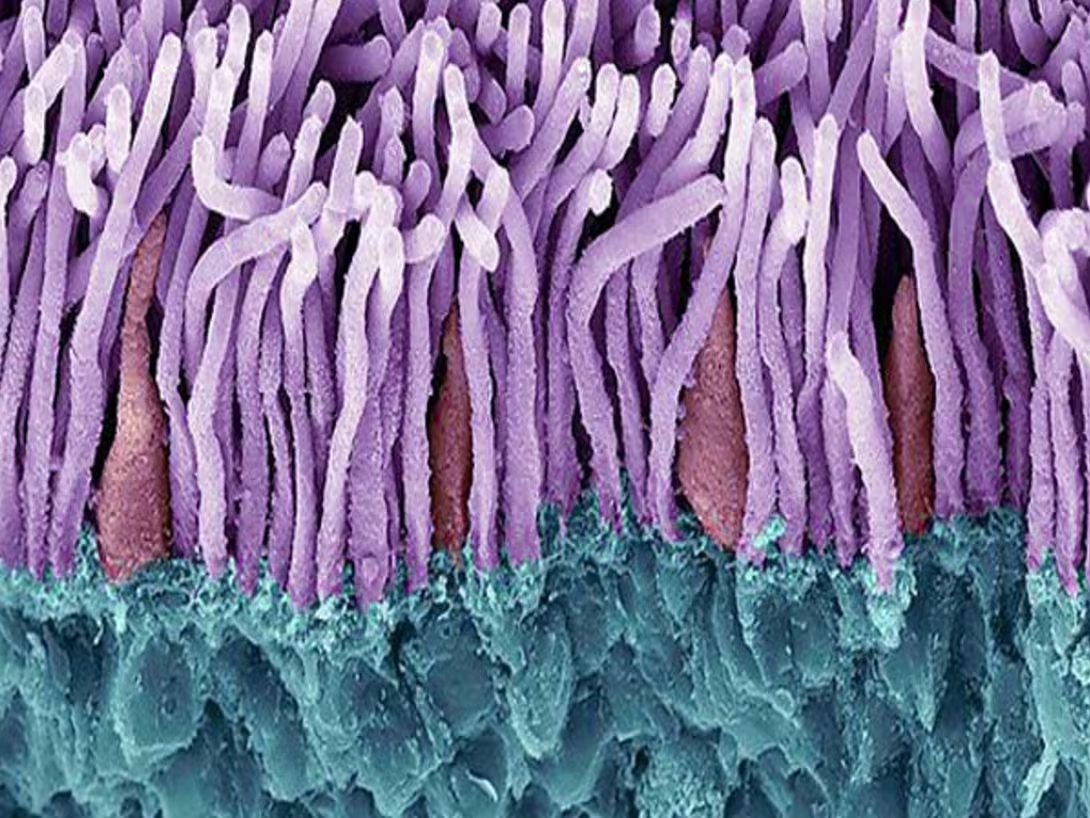
Why validation moves in stages
Researchers cannot answer every question in one experiment. NanoFlash therefore plans to begin with cells and human retinal organoids before moving to retinal explants and, later, rodent models.
Each step narrows uncertainty before the research moves towards a more complete biological system.
Three planned environments
- In vitro: cells and human retinal organoids.
- Ex vivo: retinal explants.
- In vivo: later studies in rodent models.
These are research stages, not confirmed clinical outcomes. The process is intended to examine targeting, response and safety questions carefully.
Images
Gallery
Downloads
Documents
Updates
Latest news & stories
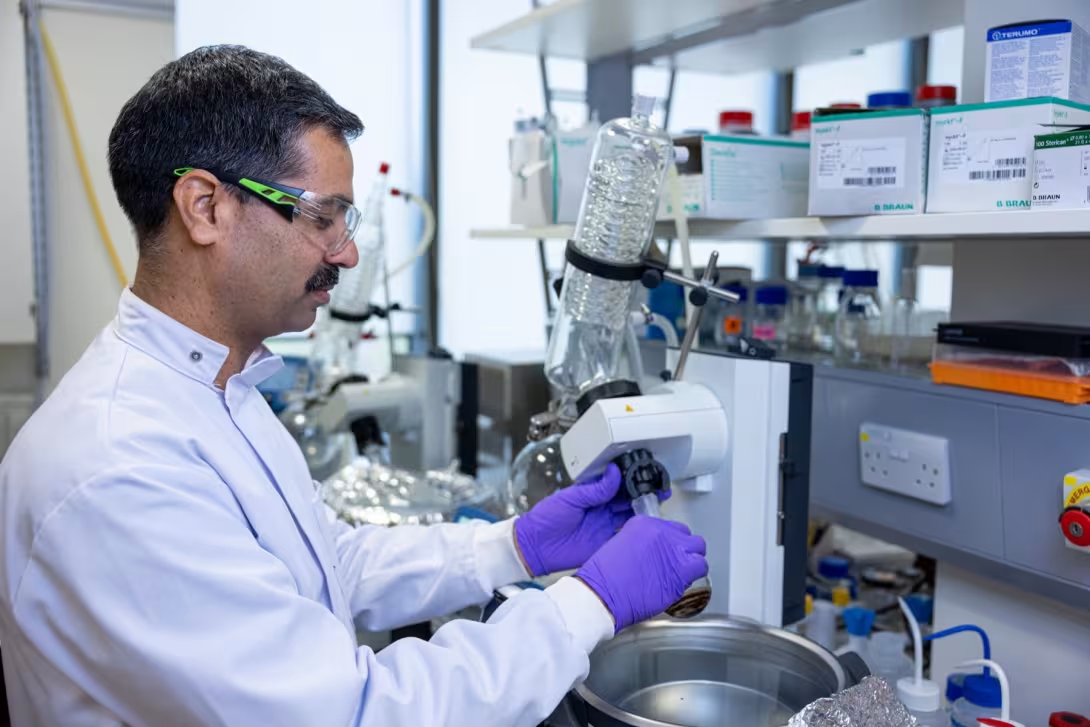
Inside the material characterisation workflow
See how researchers compare the light response and stability of candidate materials.
Read more
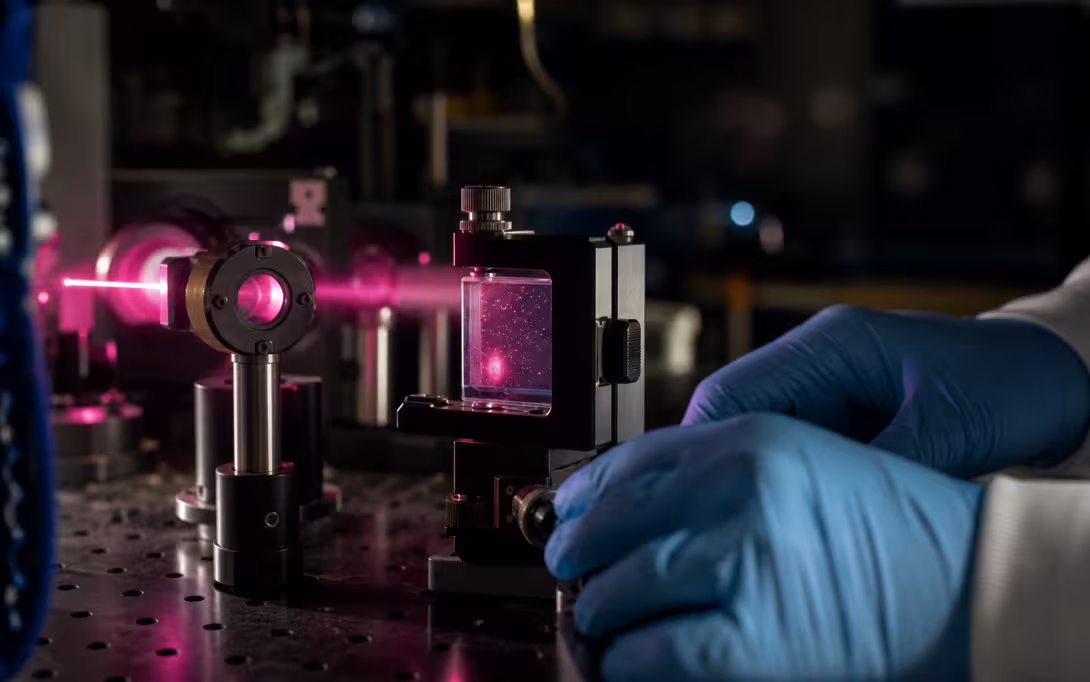
What makes a nanoactuator light responsive?
A plain-language introduction to one of the central ideas researchers are testing.
Read more

NanoFlash research programme begins
Meet the disciplines coming together to explore a new direction in retinal research.
Read more