
Science
Engineering light-responsive materials for precise retinal activation.
Targeting the retinal cells that remain.
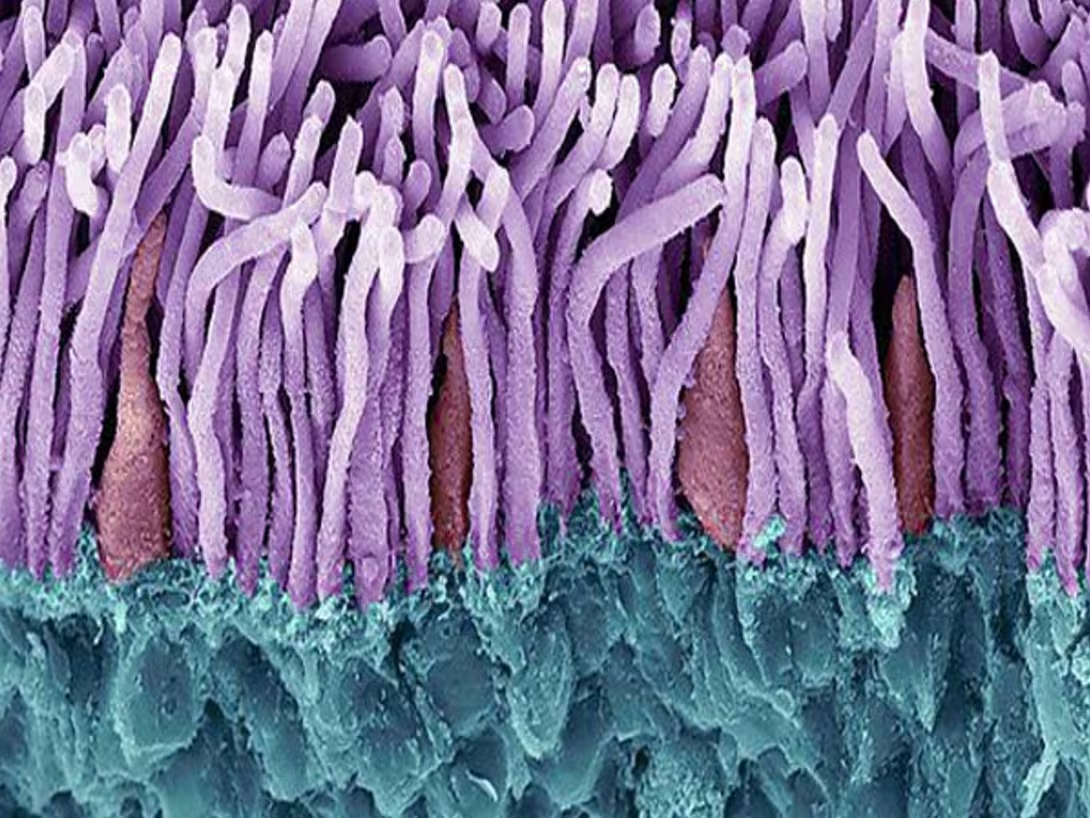
In Retinitis Pigmentosa and atrophic age-related macular degeneration, photoreceptor loss disrupts the flow of visual information into the retina’s surviving processing network.
NanoFlash focuses on rod and cone ON bipolar cells, which share a surface receptor, mGluR6. By targeting this receptor, the light-responsive nanoactuators can be positioned close to these cells, triggering neuronal activity.
Our approach
Build the particle around a precise biological target.
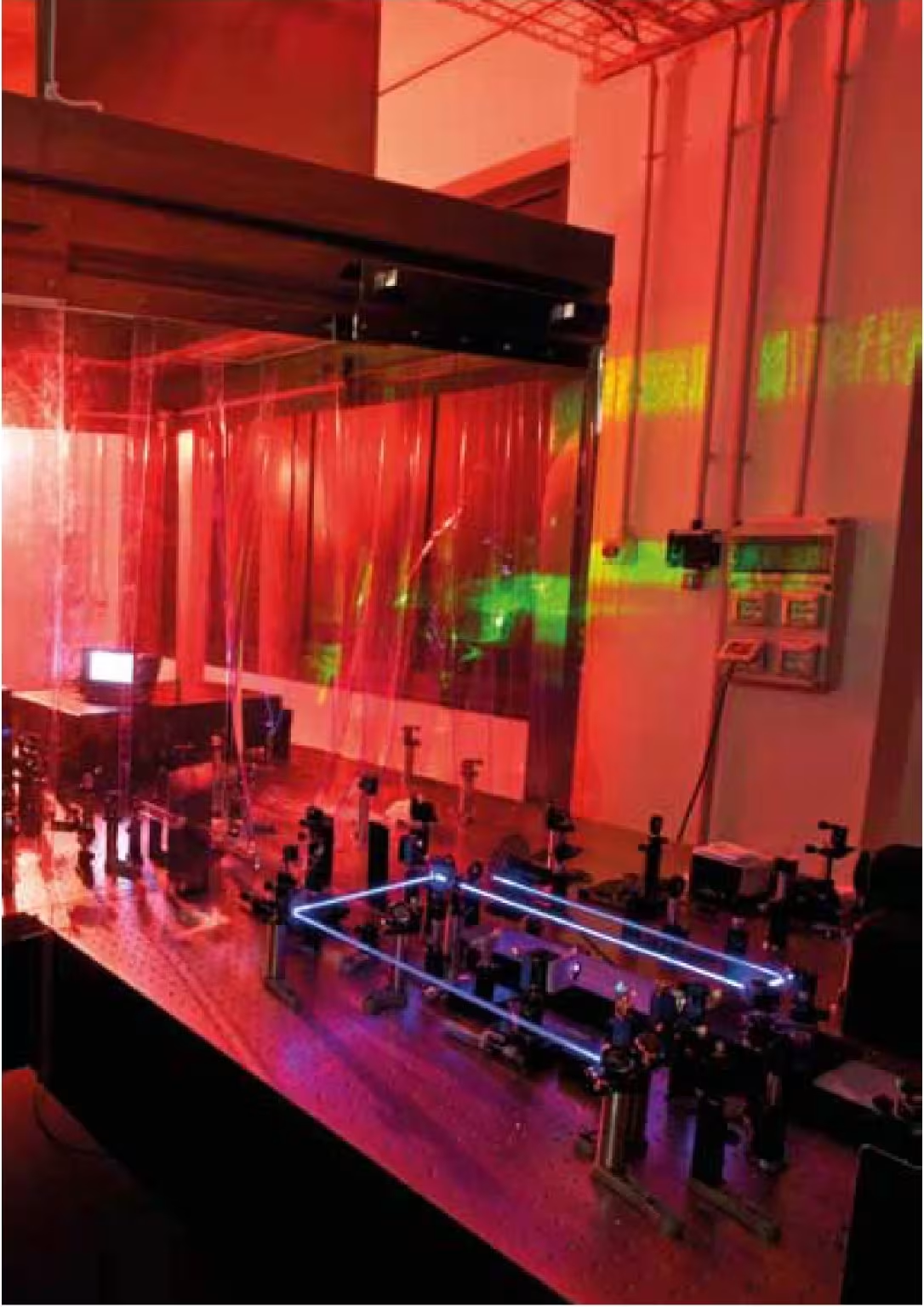
Materials design, photophysics and retinal biology inform one another as NanoFlash develops and tests each nanoactuator candidate.
Design
Build
Target
Measure
What is different
A gene-free approach built around precise cell targeting.
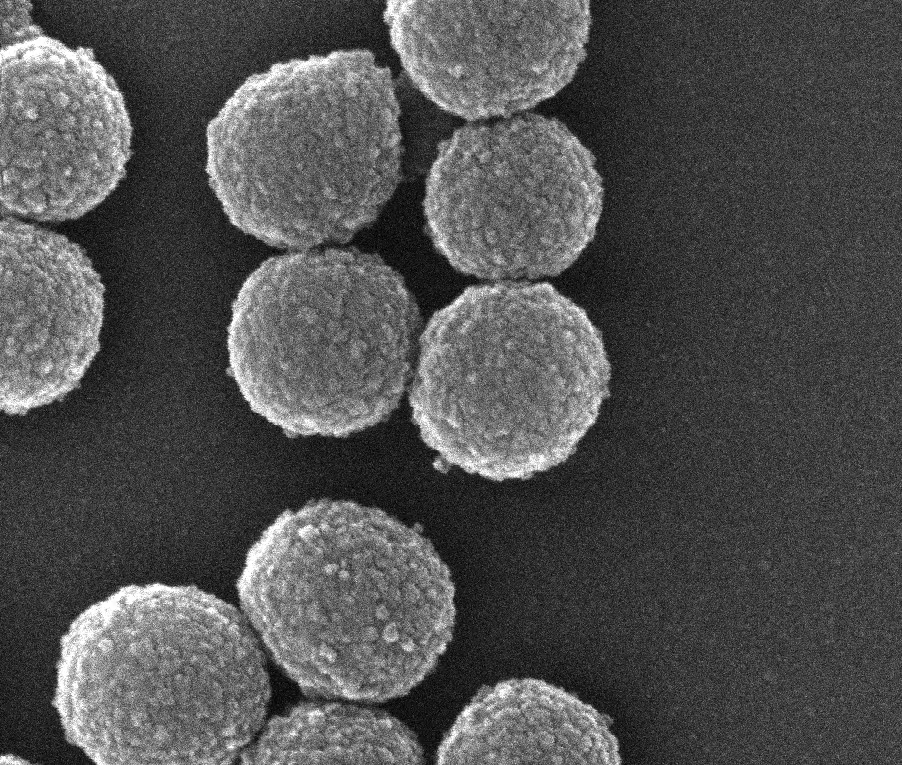
NanoFlash does not aim to replace lost photoreceptors or modify a patient's genes. Instead, it is developing injectable, light-responsive nanoactuators designed to work with retinal circuitry that remains.
The targeting step is key. By binding to the mGluR6 receptor on ON bipolar cells, NanoFlash aims to activate a specific part of the retinal pathway rather than stimulating the inner retina broadly.
Validation pipeline
Building evidence across increasingly complex models.
Each stage addresses different questions about targeting, activity and safety before selected candidates progress through the validation pipeline.
In vitro
Cells and retinal organoids
Ex vivo
Retinal explants
In vivo