
NanoFlash / EIC Pathfinder Open 2026
Light-responsive nanostructures for vision restoration.
Research to develop a cell-targeted, gene-free route to reactivate natural retinal processing.

The challenge
The signal chain within the eye is interrupted.
In Retinitis Pigmentosa and atrophic Age-related Macular Degeneration, the loss of photoreceptors disrupts the retina’s natural ON/OFF pathways, preventing light from being translated into functional vision.
Light
Photoreceptors
Retinal network
Visual signal

NanoFlash
Reconnect the retina’s natural response to light.
Soft, light-sensitive nanoactuators are designed to selectively target mGluR6 receptors on rod and cone ON bipolar cells. By activating these surviving cells with light, NanoFlash aims to restore the retina’s natural ON/OFF signalling, but without modifying their genes.
Why it matters
Use the retina's remaining visual network.
Precise
Target specific cells rather than stimulating the entire network.
Gene-free
Explore restoring light responses without changing a person's genes.
Functional
Study whether the retina can recover contrast, detail and colour perception.
Stepwise
Build evidence carefully, from simple models to more complex ones.
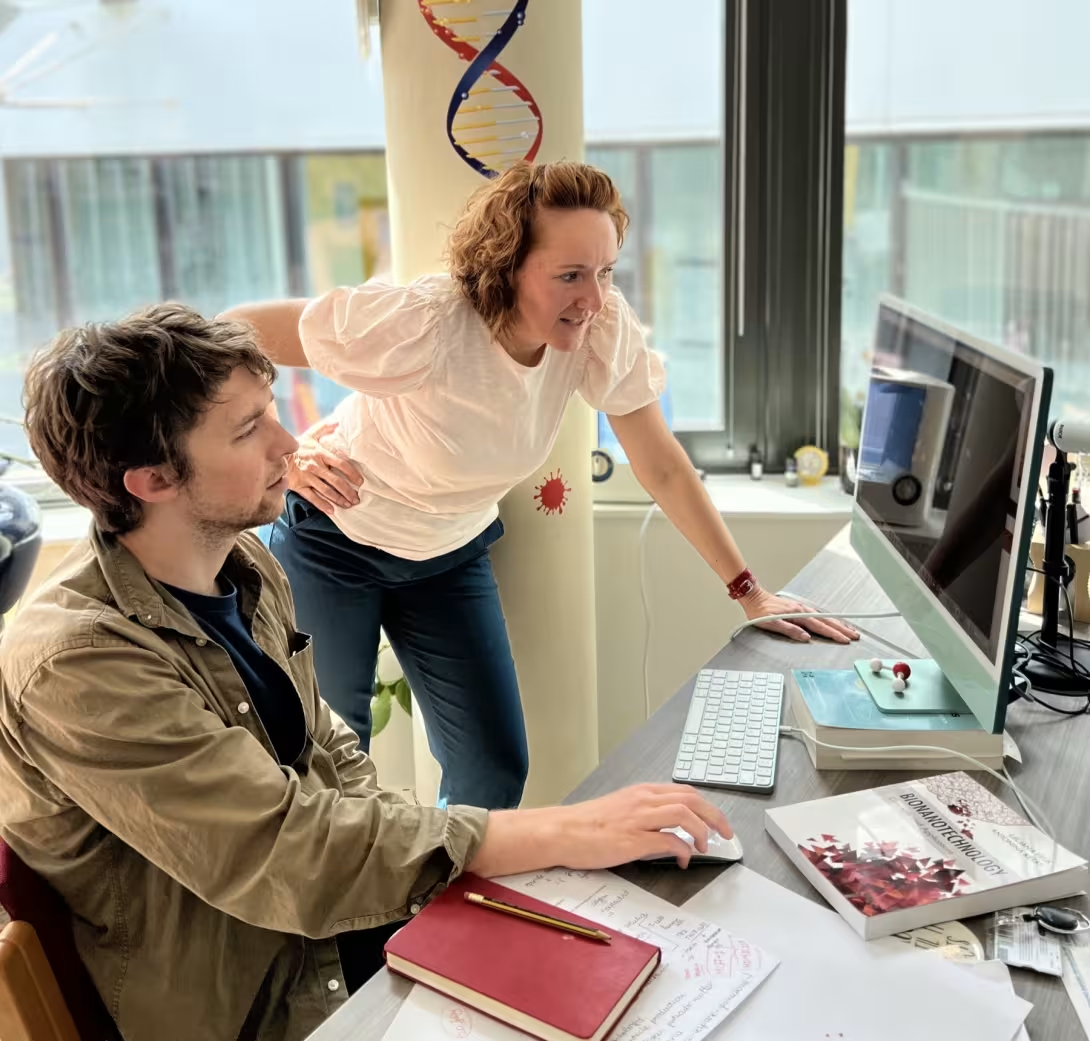
About NanoFlash
From smart design to biological testing.
NanoFlash brings together expertise in materials, chemistry, photophysics, neuroscience and engineering to develop and test a new approach to vision restoration.
Testing progresses step by step, from cells and human retinal organoids to retinal tissue and animal studies.
Latest news
Follow the latest research, collaborations and milestones from the NanoFlash research programme.
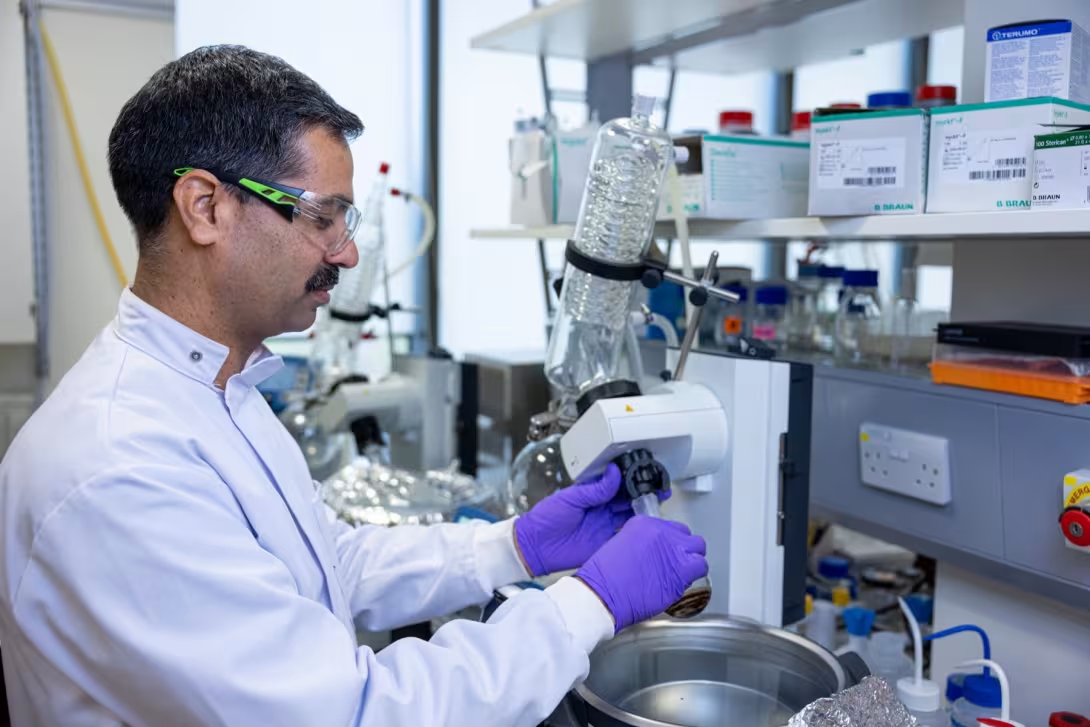
Inside the material characterisation workflow
See how researchers compare the light response and stability of candidate materials.
Read more
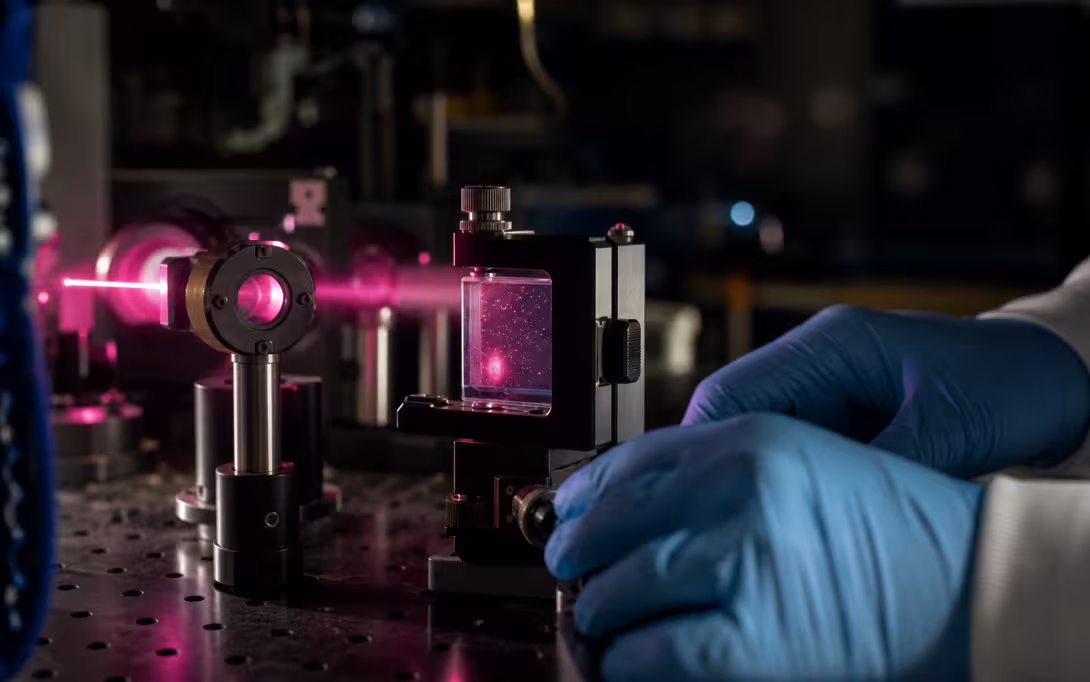
What makes a nanoactuator light responsive?
A plain-language introduction to one of the central ideas researchers are testing.
Read more

A closer look at the validation pathway
Why the research moves carefully from cells and organoids towards more complex models.
Read more